
PUBG Ranked Season 36 Shakes Up Tiers, Duos, and the Climb
PUBG Ranked Season 36 adds Crystal and Survivor tiers, unified progression, and visible rewards for a smoother competitive climb.
Ranked mode in PUBG has always had a mind of its own. It does not like staying in one place for too long, and Season 36 is proof that the game is still poking, prodding, and polishing the competitive experience. After earlier updates brought RP tweaks, Tier Protection, and better rewards, the latest season goes quite a bit further. The goal is simple on paper: make Ranked feel less like a separate island and more like a natural step in a player’s overall journey. In practice, that means a fresh ladder, new modes, unified progress, and rewards that actually show up where players can appreciate them.
Closing the Gap Between Modes
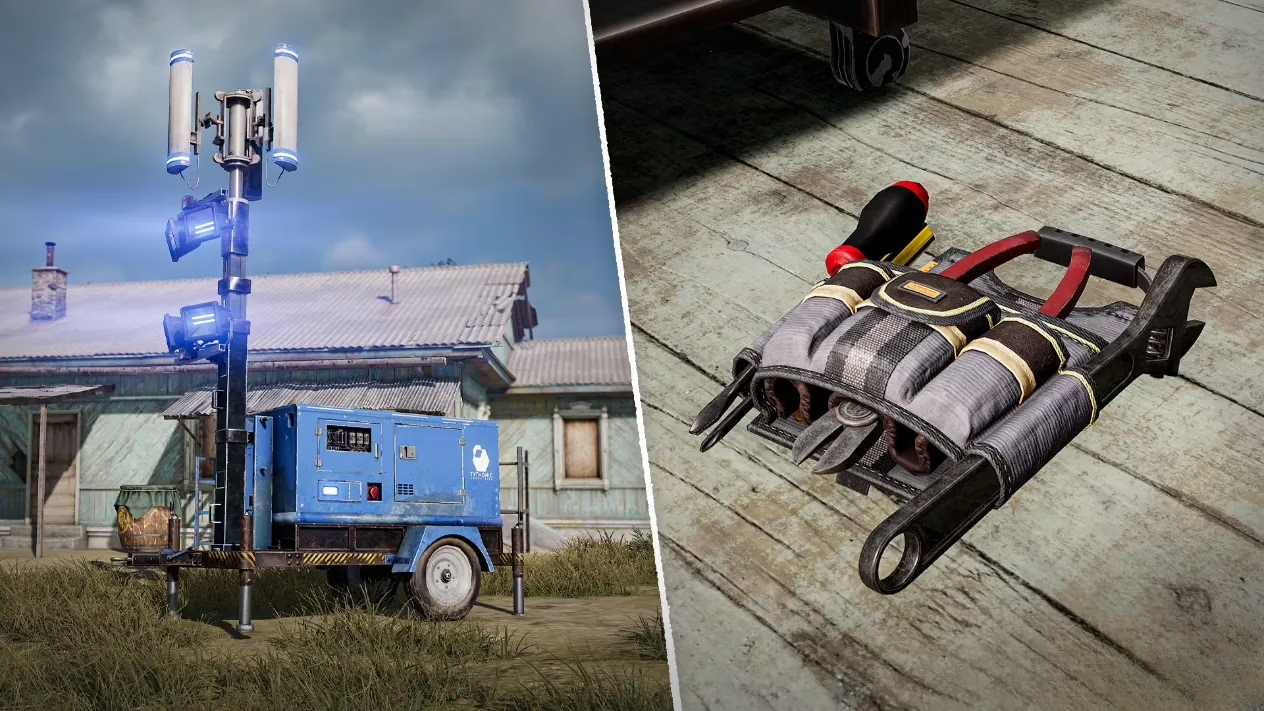
For a long time, hopping from Normal Match into Ranked felt a little like learning a new language. Maps played differently, rules did not always line up, and players often had to unlearn habits just to survive in a more intense lobby. That is not exactly welcoming, especially for someone who built confidence in Normal Match and simply wanted to test themselves against stronger competition.
Season 36 takes a step toward fixing that by narrowing the gap between the two experiences. The idea is not to make Ranked easier, but to make the transition feel smoother. When content and rules behave in familiar ways across modes, players can focus on fighting well instead of wrestling with rule changes. It is a bit like moving the furniture around: the room is still PUBG, but the layout finally makes sense.
A Fresh Ladder With New Peaks
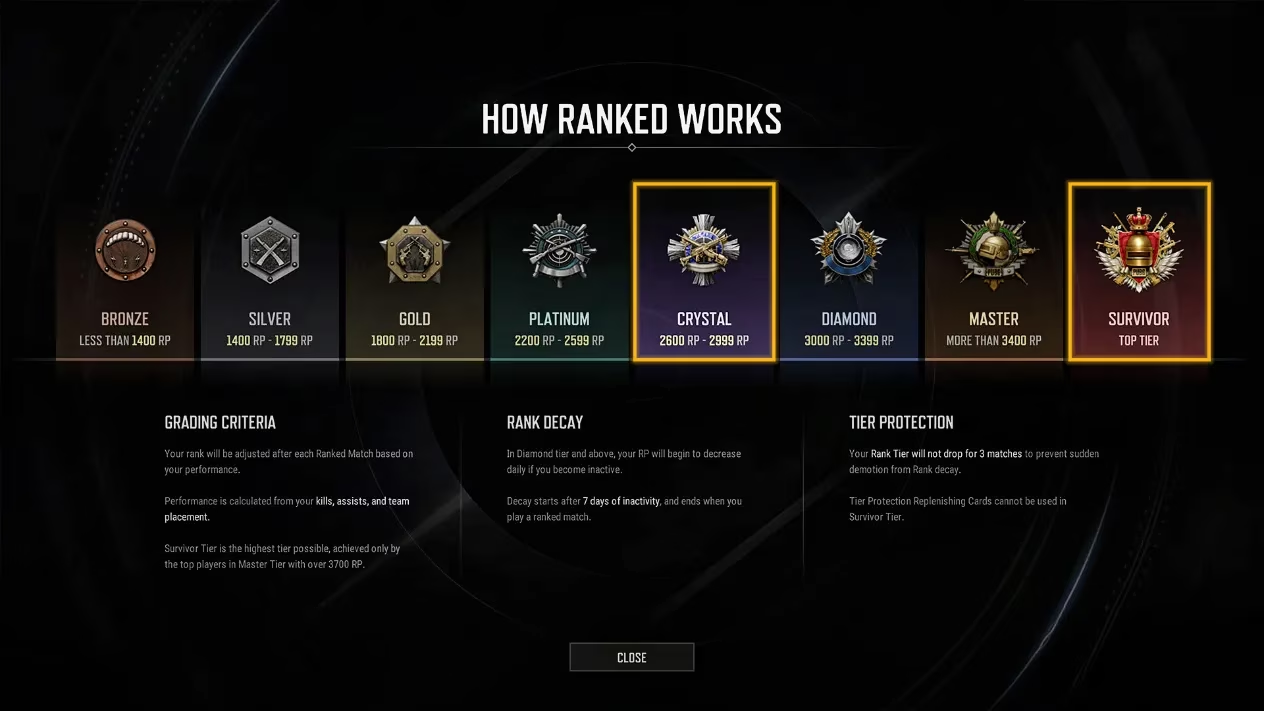
The rank system itself is getting a serious makeover. The five existing divisions are being reduced to four, while two brand-new tiers enter the scene. First, a new tier called Crystal slots in between Platinum and Diamond. That gives players more room to feel their rank moving and to see visible progress as their skills improve. Climbing becomes less of a long, silent grind and more of a frequent pat on the back.
Second, and this one is for the truly elite, the old Top 500 system is gone. In its place comes Survivor, a new highest tier that only a very small number of players will ever touch. It is designed to be the ultimate badge of skill in PUBG Ranked, the kind of title that makes other players stop and stare. For anyone chasing the absolute peak, Survivor is the shiny new mountain to climb.
Rewards That Feel More Visible
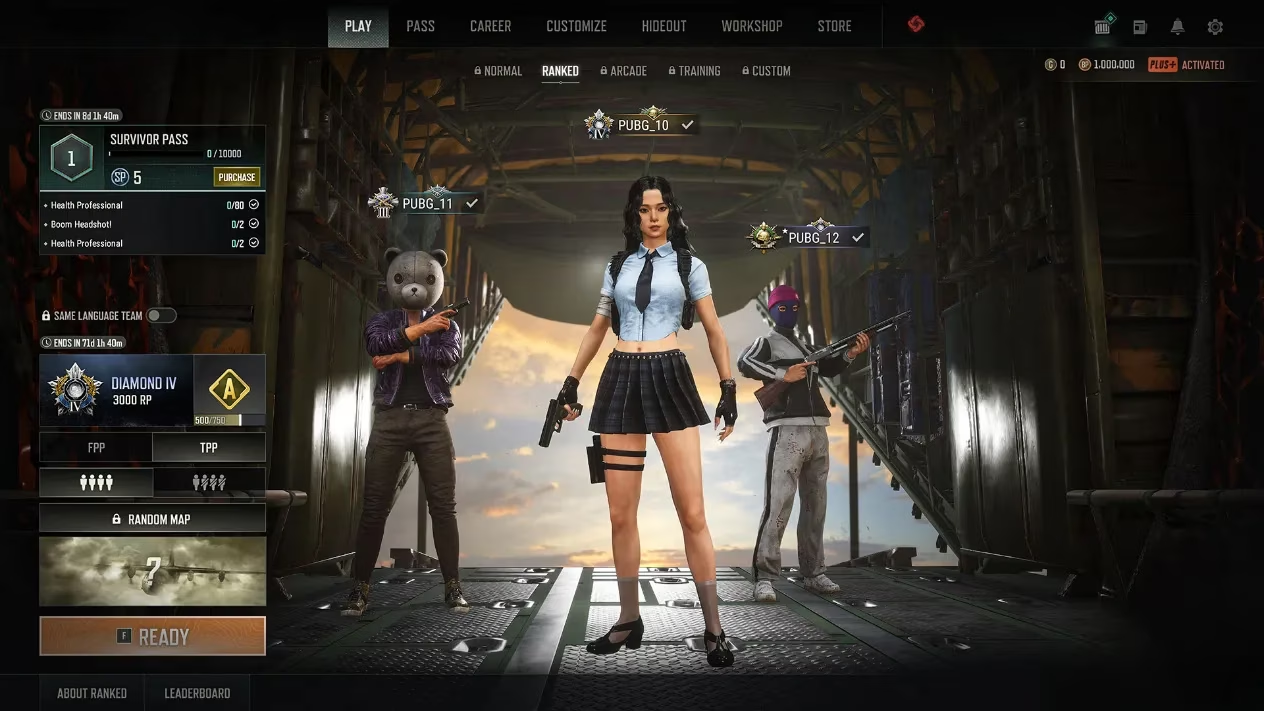
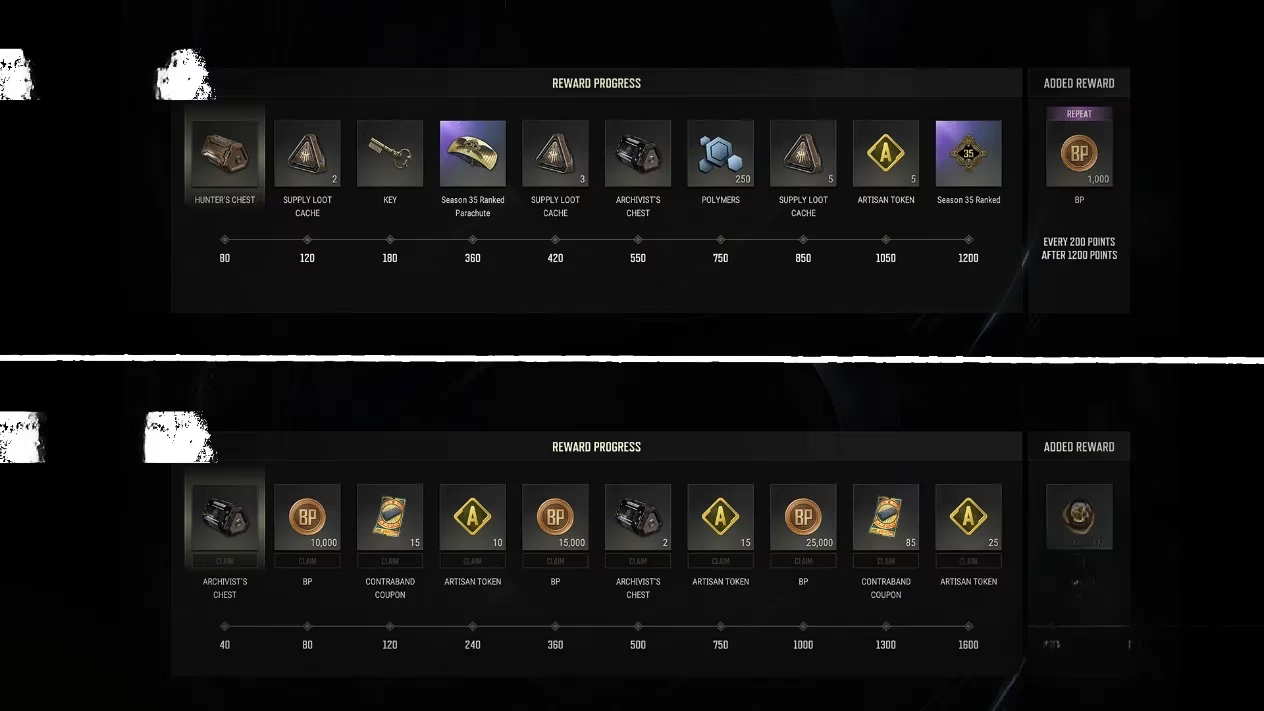
Rewards and visibility get a little love too. Starting with Season 36, the lobby shows a player’s current season tier alongside their highest tier from the previous season. That small change makes progress feel more real. No more squinting at old stats or trying to remember how high the climb went before. On top of that, the parachute skin is returning as a Tier Reward, which is bound to make a few long-time players smile. Ranked Play Point Rewards are also being updated to feel more useful, so the grind should come with more meaningful goodies along the way.
Duos Step In, Solo Steps Aside
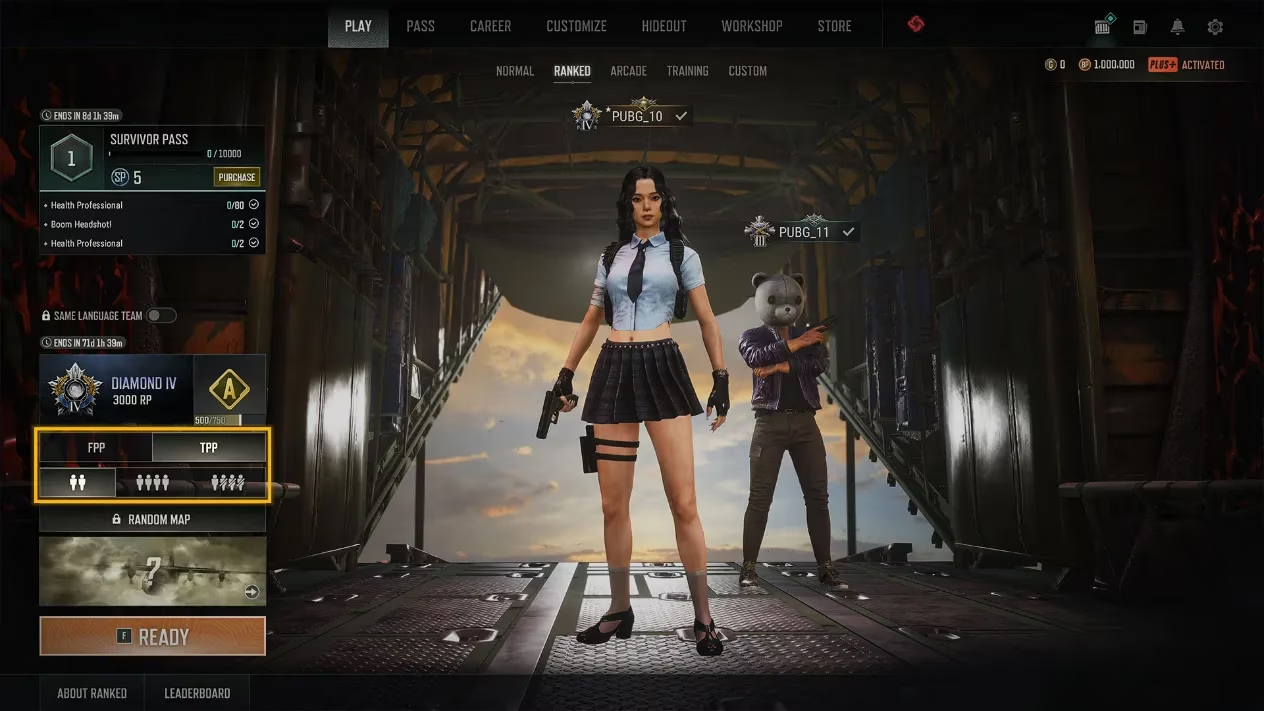
Team play has always been one of PUBG’s biggest draws, but not every player has three friends ready to queue up for Squad at a moment’s notice. That is why Season 36 introduces Duo Ranked across all regions. Compared with Squad, Duos offer a lower barrier to entry and make it much easier to jump in with just one teammate. It is a smart move that should bring more players into Ranked without asking them to herd a full squad. However, the availability of FPP or TPP in Duo Ranked may vary depending on the region and the overall player pool, so not every market will see the exact same setup.
At the same time, Solo Ranked is being removed from the AS region. The reasoning is straightforward: PUBG’s ranked experience is leaning harder into team-based play, where coordination and shared strategy bring out the most fun and excitement.
One Ladder, One Goal
One of the quieter but very important changes is the unification of Ranked tiers and RP across party types and perspectives. Whether a player prefers Duo or Squad, FPP or TPP, everyone now works toward a single, shared goal. That means progress no longer gets split across different ladders depending on how someone chooses to play. It is a cleaner, more consistent system, and it should make achievements easier to track over a season.
To support this, every player’s RP will be reset to 1500 at the start of Season 36. Fresh start, fresh stakes. Placement matches will be especially important this time around, so early games carry a little extra weight.
A More Welcoming Battlefield
All of this points to a bigger ambition. PUBG wants Ranked to feel like a welcoming stage where more players can set goals, prove their skills, and collect rewards that reflect the effort they put in. The path from Normal Match to Ranked to esports should feel like one continuous journey, not a series of jarring leaps. Ranked still needs its own sharp edge of challenge, but Season 36 tries to make that edge more inviting rather than needlessly confusing.
Players who are new to Ranked get a clearer target to aim for, while veteran players get fresh strategic wrinkles and new goals to chase. Those aiming for the next tier will find the ladder a lot more interesting. The team behind PUBG is clearly keeping an ear to the ground, and the direction is hard to argue with. For the full breakdown of everything arriving in Season 36, the upcoming 36.1 Patch Notes will have the nitty-gritty details. Until then, it might be a good time for players to grab a duo partner, warm up in Normal Match, and get ready for a reset that actually feels like a beginning.
Key findings are referenced from Esports Earnings to frame PUBG Ranked Season 36’s changes in the wider competitive ecosystem: by unifying RP across perspectives and party types, adding Duo Ranked in all regions, and introducing a true apex tier (Survivor), PUBG is clearly tightening the link between everyday ladder play and the esports-style emphasis on consistency, team coordination, and long-term performance over isolated modes or fragmented queues.