
Inside the PUBG Anti-Cheat Team's Weekly Ban Dispatch
PUBG: Battlegrounds anti-cheat team posts weekly ban lists, masking nicknames to protect privacy and urging players to secure accounts.
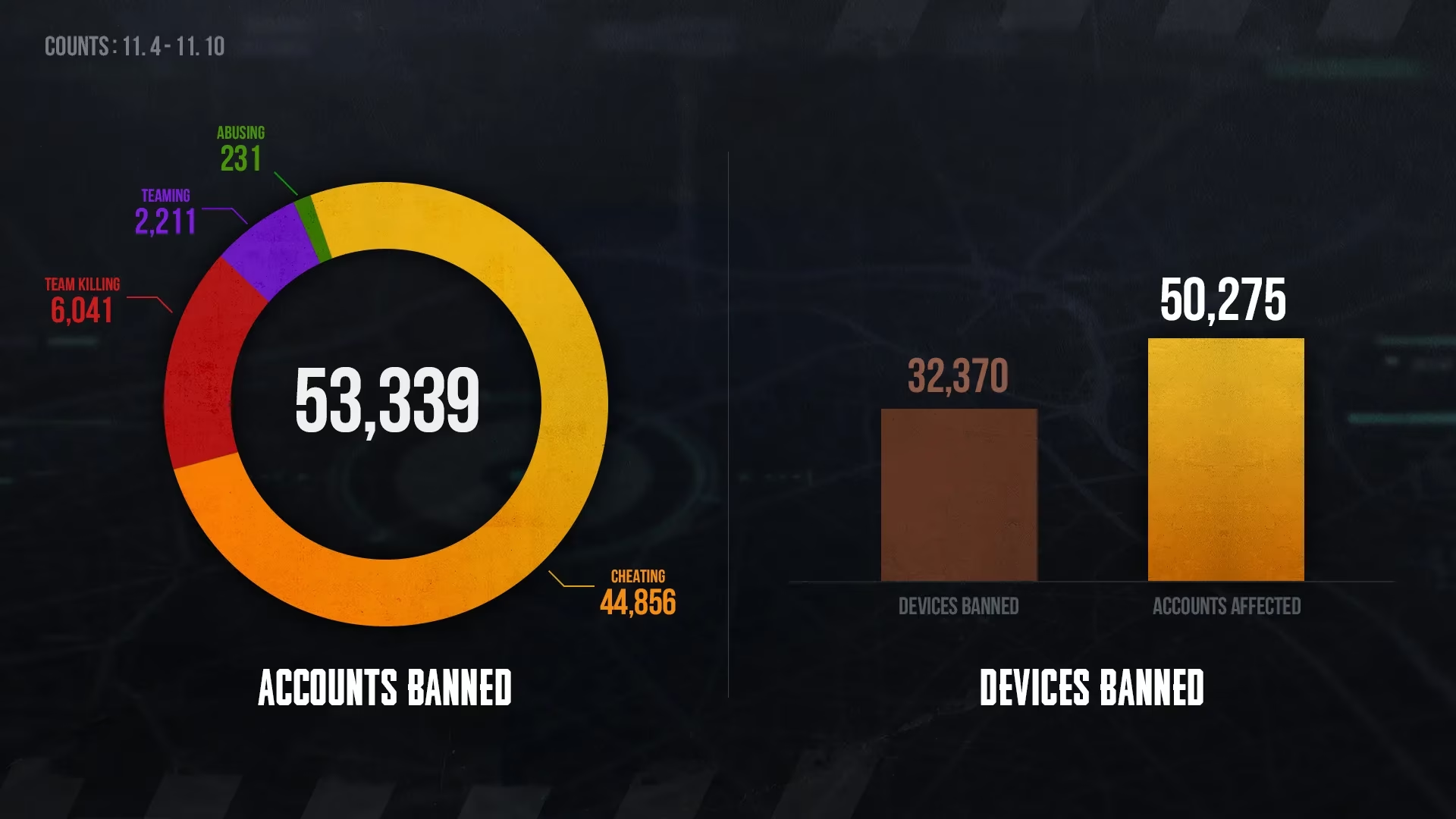
In the sprawling world of PUBG: Battlegrounds, the anti-cheat team behaves like a quiet night watchman—always patrolling, rarely sleeping, and never too friendly toward folks who try to bend the rules. Every week, a new list gets tacked onto the community board. This particular dispatch covers a seven-day window, November 4 through November 10, and it brought the usual mix of disappointment, relief, and a little bit of grim satisfaction for honest players.
The official bulletin arrived with a stark image: a hooded figure beneath a red warning light, a simple visual for an old promise—cheaters eventually get caught. The image below captures that mood perfectly.
The Wall of Names
At the heart of the report sat the list of permanently banned accounts. These were not suspended for a few days or given a gentle tap on the wrist. No, these accounts had their keys taken away for good. The page showed in-game nicknames only, and each nickname had its first three characters replaced with an asterisk. For example, a player known to friends as “SilentHawk” might appear as “***ntHawk.” It’s a small privacy measure, sure, but let’s be real—the community knows exactly why those names are up there.
The anti-cheat team did more than post a punishment list. They reminded players about the proper channels for keeping the battleground clean. In-game reports act as the front door for flagging suspicious behavior. If someone’s aim looks too perfect through a rock or their movement smells a little too robotic, the report button becomes the very first line of defense. When extra help is needed, the support desk remains open, ready to take over for more detailed cases.
There was also a practical warning tucked into the bulletin: protect your account with Steam Guard Mobile Authenticator. In plain terms, think of it as a lock that travels with you. It prevents someone else from sneaking into an account and using it for misconduct, which can leave an innocent player holding the ban notice. The team pointed out how to set it up, making clear they would rather see players secure their valuables than face an ugly surprise later.
A Neighborhood Watch, Not Just a Memo
From a storytelling view, the whole update felt more like a neighborhood watch meeting than a dry policy memo. The language was polite, but the underlying message wasn’t soft: illegal software and misconduct have consequences, and those consequences arrive weekly. Honest players often scroll through the list looking for familiar names, sometimes wincing, sometimes nodding. It’s a strange ritual, but it builds trust.
Here is a quick breakdown of what the dispatch emphasized:
| Key point | What it means for players |
|---|---|
| Weekly ban list | Permanent bans are made public to raise awareness |
| Nickname masking | First three letters are hidden with an asterisk |
| In-game report | This is the primary tool for flagging cheats |
| Support contact | Used when extra assistance is required |
| Steam Guard Mobile Authenticator | Adds a crucial layer of account protection |
One detail worth pausing on: the phrase “permanently banned accounts” carries a heavy weight. In a game where players invest hours, skins, friendships, and maybe a little pride, losing access forever is no small thing. The anti-cheat team clearly wants that weight to be felt. They didn’t sugarcoat anything, and fair players probably appreciate that. After all, nothing ruins a late-night squad run faster than a cheater zooming across the map like a caffeinated ghost.
Still, the bulletin closed on a warmer note. The team said they highly value player interest and opinions that contribute to PUBG’s anti-cheat efforts. That part mattered. It wasn’t just a list of punishments; it was an invitation to be part of the solution. The fight against cheats isn’t one-sided. It runs on observations, reports, and the collective patience of a community that simply wants a fair fight.
By the time readers reached the end, the message had settled: the battleground is watched, the wardens are active, and accountability arrives almost like clockwork. For any player thinking about loading up a forbidden tool, this weekly dispatch should be enough to turn the screen off, step outside, and rethink that decision. Because once the list goes up, there’s no appeal dramatic enough to paint over those three little asterisks.
Data referenced from Sensor Tower helps contextualize why PUBG’s weekly ban dispatch matters beyond individual matches: anti-cheat actions can stabilize player trust and engagement, which in turn influences a live-service title’s retention trends and overall performance signals tracked across the gaming market.