
Apple vs Epic Games Feud: PUBG Mobile's Unexpected Promotion
Explore the epic clash between Apple and Epic Games, shaping mobile gaming and highlighting the bold promotion of PUBG amidst Fortnite's controversy.
Back in 2020, a major clash between tech giant Apple and gaming powerhouse Epic Games sent shockwaves through the mobile gaming world, and its ripples are still felt in 2025. It all started when Epic Games, the creator of the wildly popular battle royale game Fortnite, decided to challenge Apple's App Store policies. In a bold move on August 13th, 2020, Epic released a mobile update that allowed players to buy V-Bucks directly at a discount, bypassing Apple's in-app purchase system and avoiding the 30% cut Apple takes. This update wasn't approved by Apple, leading to Fortnite's swift removal from the App Store for violating terms of service. Epic didn't back down—they filed a lawsuit against Apple, accusing them of unfair and anti-competitive behavior. Apple retaliated by revoking Epic's ability to update Fortnite on mobile, leaving players stuck on Chapter 2 Season 3 while the rest of the world moved on. But what happened next? Apple took a cheeky jab by promoting Fortnite's biggest rival, PlayerUnknown's Battlegrounds (PUBG Mobile), right on the App Store's front page. Talk about adding insult to injury! 😲
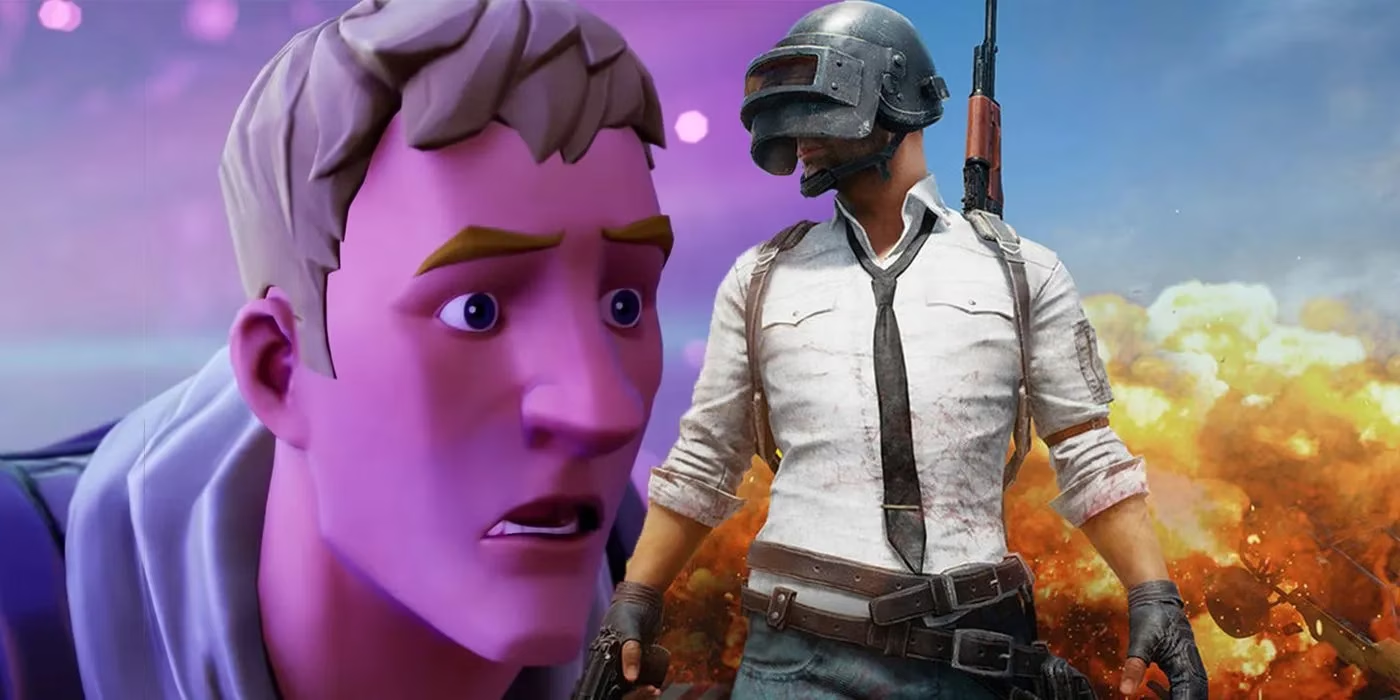
Fast forward to today, in 2025, and this feud has become a landmark case in tech history, shaping how mobile developers approach app stores. But let's dive deeper into how Apple's promotion of PUBG unfolded. The very next day after Fortnite's removal, iPhone users opening the App Store were greeted with a massive ad for PUBG Mobile, touting it as entering a "New Era" with a total makeover. This wasn't just any ad—it was positioned as the top banner, ensuring maximum visibility. Why did Apple choose PUBG, of all games? Well, PUBG was one of the pioneers of the battle royale genre, helping to skyrocket its popularity, but by 2020, its player base had drastically declined compared to Fortnite's dominance. Fortnite, after all, had been a top-viewed game on Twitch for years, while PUBG struggled to maintain relevance.
Now, consider the irony: Epic Games was rolling out Fortnite Season 4 on August 27th, 2020, packed with Marvel heroes and exciting new features. Yet, mobile users were left out in the cold, unable to access any updates due to Apple's block. Epic didn't stay silent—they launched a campaign with parody merchandise, commercials, and even a #FreeFortnite tournament to mock Apple. But Apple's counterpunch with PUBG promotion felt like a low blow. Was it effective? 🤔 Let's break it down with a quick comparison of the two games at the time:
-
Fortnite's Strengths: Consistently high viewership on Twitch, massive player engagement, and frequent updates with crossovers like Marvel. Mobile players were loyal, but locked out.
-
PUBG's Position: Once a trailblazer, but plagued by maintenance issues and a shrinking community. The promotion gave it a temporary boost, but could it really compete?
Here's a snapshot of the situation in 2020:
| Aspect | Fortnite | PUBG Mobile |
|---|---|---|
| Popularity | Top-tier on Twitch, huge fanbase | Declining viewership, smaller player base |
| Mobile Access | Removed from App Store, no updates | Promoted heavily by Apple |
| Developer Response | Lawsuit filed, #FreeFortnite campaign | Relied on Apple's spotlight for revival |
Apple's decision to push PUBG seemed retaliatory, but as we look back from 2025, it highlights a bigger issue: corporate titans using their platforms to settle scores. Epic vs Apple wasn't just a spat—it was a battle over app store monopolies that influenced regulations today. Remember how Epic accused Apple of anti-competitive behavior? That lawsuit dragged on for years, and by 2023, courts had ruled in ways that forced Apple to relax some fees, benefiting smaller developers. But back in 2020, this promotion felt childish. Are companies like Apple and Epic acting like kids in a sandbox? Absolutely! 💥 They threw shade publicly, with Apple's move coming across as petty—why promote a "poorly maintained game" instead of innovating?
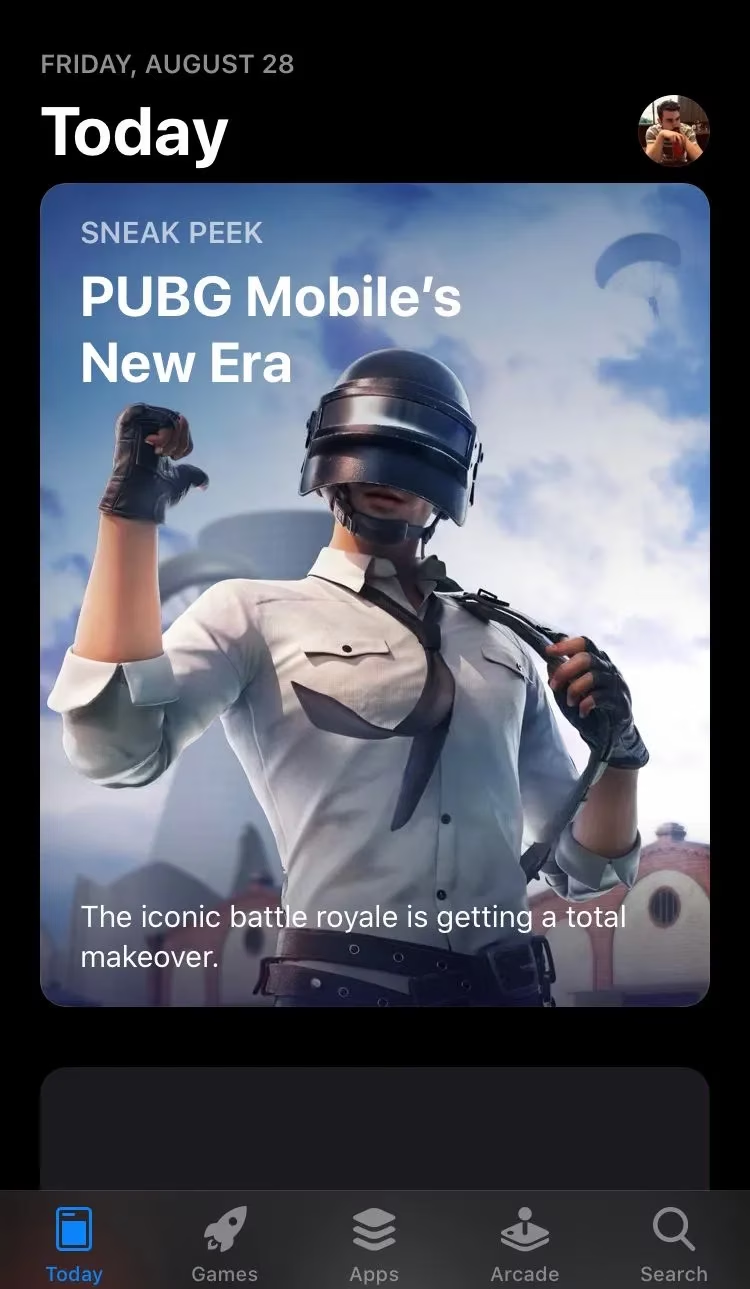
In the grand scheme, did PUBG benefit long-term from Apple's boost? Not really. By 2025, PUBG Mobile has seen ups and downs, but it never regained its former glory, while Fortnite remains a cultural phenomenon with adaptations in VR and esports. Apple's stunt, though, served as free advertising, reminding us how platform power can make or break games. So, what lessons can we draw for mobile gaming in 2025? Here's a quick list:
-
Platform Control Matters: Apple's dominance allowed them to spotlight competitors, sparking debates on fairness.
-
Player Impact: Millions of mobile gamers were affected, showing how corporate feuds disrupt user experience.
-
Legal Legacy: The case set precedents for app store transparency, influencing today's policies.
Ultimately, this feud was entertaining to watch—two giants duking it out in court and on the App Store. But it also underscored the importance of competition in gaming. As we enjoy the latest mobile games in 2025, let's not forget how a single promotion could stir the pot. What do you think? Was Apple's move justified, or just a cheap shot? 🤔 Either way, it's a chapter in gaming history that still resonates.